China builds massive coal-chemical complex in Xinjiang to cut oil dependency
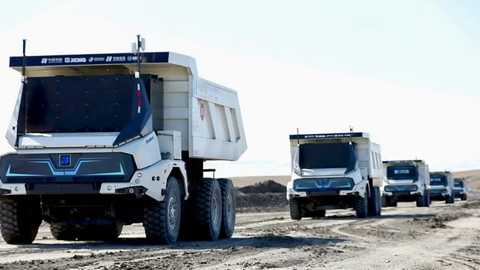
China is accelerating construction of a giant coal-chemical industrial hub in the Zhundong zone of Xinjiang, aiming to reduce dependence on volatile global energy supply chains. The project features automated mines, autonomous vehicles, and ultra-high-voltage power grids. Environmental concerns linger over the fragile desert ecosystem.
MajandusChina is rapidly expanding a colossal coal-to-chemicals industrial complex in Xinjiang's Zhundong zone, positioning it as a strategic answer to the country's reliance on unstable global energy markets. The region sits atop enormous coal reserves and is being developed with cutting-edge infrastructure designed to transform raw materials into industrial chemicals that currently depend heavily on oil imports.
The Zhundong zone is being equipped with highly automated mines, autonomous heavy-haul trucks, and ultra-high-voltage transmission lines capable of moving energy across vast distances. Chinese authorities see the project as a cornerstone of national energy security, particularly in light of ongoing geopolitical tensions that have made international commodity markets increasingly unpredictable.
Beyond energy independence, the complex is set to expand China's global influence in industrial chemistry and strategic supply chains. Products derived from coal-chemical processes can substitute for petrochemical inputs in plastics, fertilisers, and synthetic fuels — sectors where China currently depends on foreign suppliers or price-volatile crude oil.
However, the scale of the undertaking has raised serious ecological questions. The Zhundong area lies within a desert environment with a fragile ecological balance, and experts warn that the industrial footprint — including water consumption, dust, and chemical runoff — could push the local ecosystem past a point of no return.
The project reflects a broader pattern in Chinese industrial policy: using remote, resource-rich regions to build self-sufficiency in critical sectors while accepting environmental trade-offs that would face stronger resistance elsewhere. Whether the technological ambition can be reconciled with ecological limits remains one of the most pressing open questions surrounding the initiative.
Открыть в приложении →