Electronic queue would not solve Narva border checkpoint's massive congestion problem
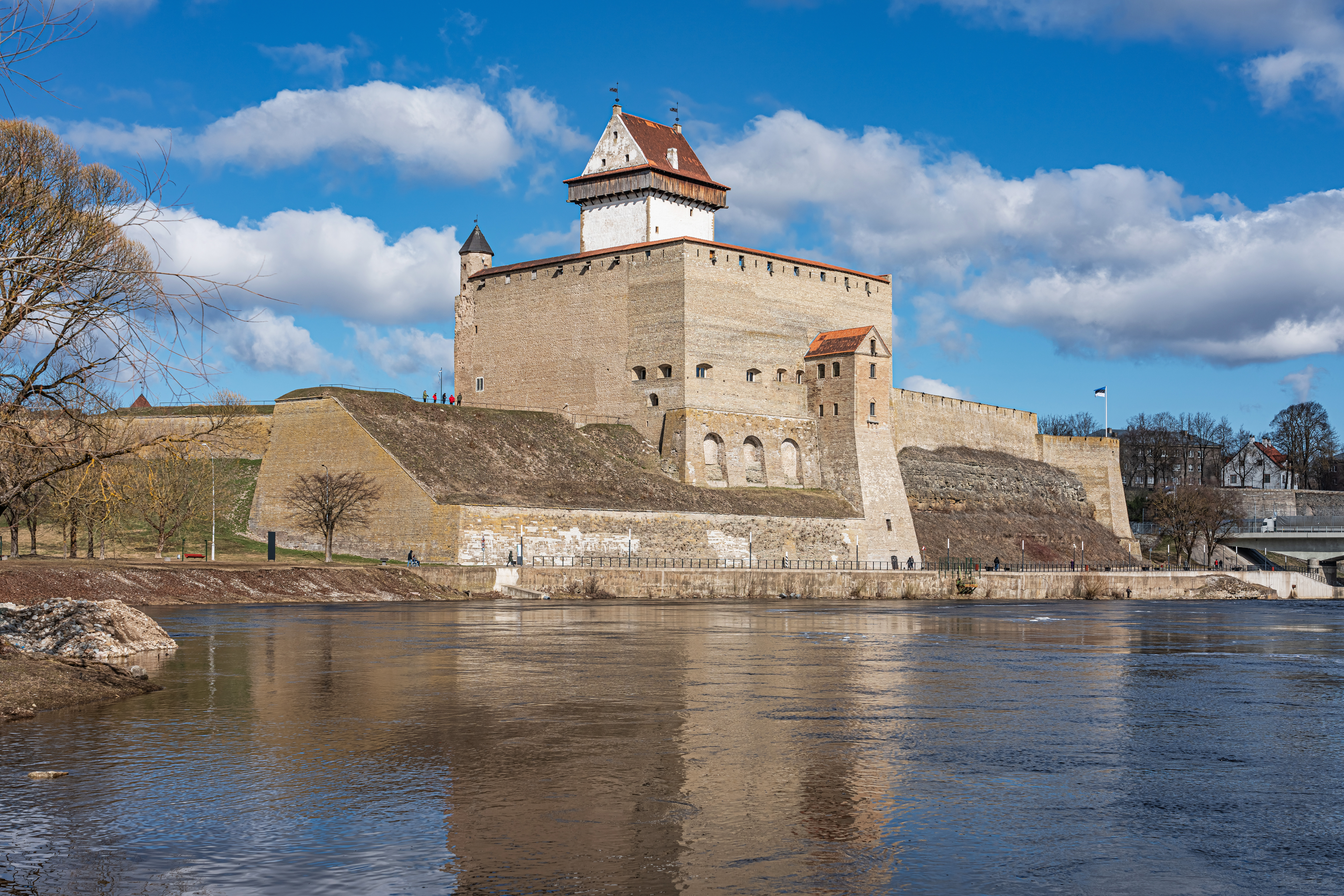
People already face long queues at the Narva border checkpoint, but the situation will worsen further with school holidays and the summer vacation season. The crisis deepens because on 15 June the checkpoint transitions from 16-hour to 12-hour operations. Experts say an electronic queue system alone would not solve the underlying problem.
Ида-ВирумааThe Narva border checkpoint faces the risk of exceptionally long queues as the holiday and school vacation season begins. The situation will become critical around this coming weekend, when the number of border crossers could surge sharply.
The season brings new pressures
Estonian and European school holidays coincide with the vacation season, making the Narva checkpoint traditionally its most congested period. If that were not worrying enough, from 15 June the checkpoint's operating hours will be reduced – the transition from 16-hour to 12-hour working hours means even longer waiting times.
During this period, a substantial number of people typically gather in Narva's historic city centre waiting for the opportunity to cross the border. Heavy traffic flow negatively affects both the daily lives of local residents and the city's overall functioning.
Electronic solution is not a magic fix
Although implementing an electronic queue system could provide some relief, it would not by itself solve the problem of massive crowds gathering in Narva's historic heart. The checkpoint's throughput capacity remains limited regardless of whether people wait in a physical or virtual queue.
Smooth operations at the Narva border checkpoint are important both for local residents and for the region's economy more broadly. Finding a solution requires a comprehensive approach that takes into account both infrastructure and checkpoint operating hours scheduling.
Открыть в приложении →