Energy expert Arvi Hamburg: Estonian nuclear plant realistic, but not before 2035–2037
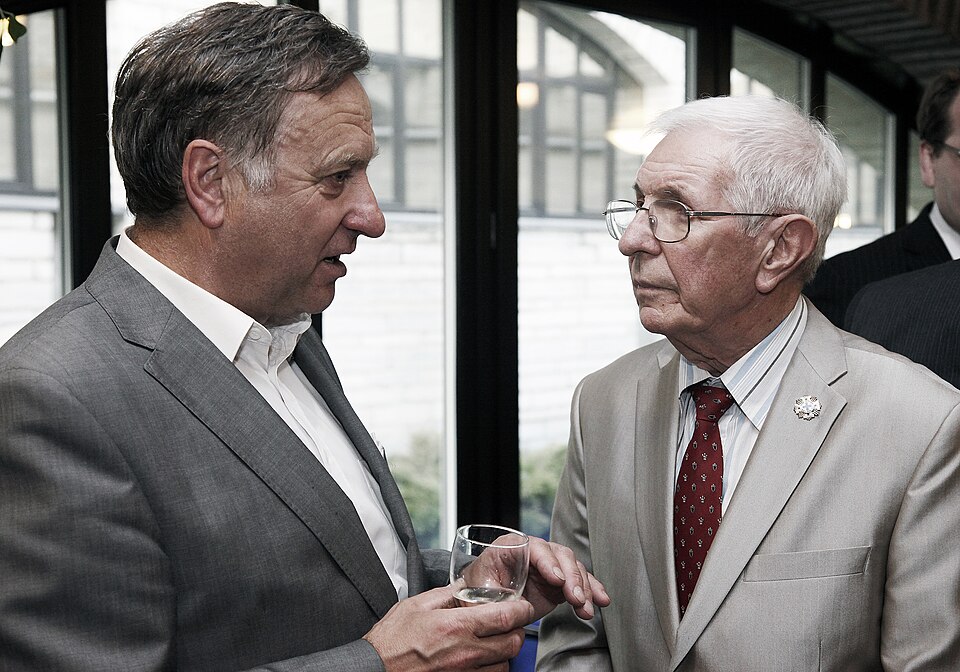
Estonian Academy of Sciences energy commission member Arvi Hamburg says Estonia should invest in both oil shale and nuclear energy to maintain domestic electricity production. He remains optimistic about a nuclear power plant but warns it cannot happen sooner than 10–12 years from now.
ЭстонияArvi Hamburg, a member of the Estonian Academy of Sciences energy commission, has expressed cautious optimism about Estonia's nuclear energy future — but urges patience, as any new nuclear plant is at least a decade away from becoming reality.
Oil Shale Still Matters
Hamburg argues that Estonia should not abandon oil shale energy production while pursuing nuclear power. In his view, maintaining domestic electricity generation capacity requires a two-track approach: continuing to develop oil shale alongside serious planning for a nuclear facility. Abandoning either path prematurely could leave Estonia vulnerable to energy supply disruptions.
The energy expert emphasises that while nuclear power holds genuine promise for long-term energy independence, the practical timeline is unforgiving. Even under the most optimistic scenarios, a functional nuclear power plant in Estonia could not come online any sooner than 10 to 12 years from now, meaning the earliest realistic window would be the mid-to-late 2030s.
A Decade of Preparation Ahead
Hamburg's position reflects a broader challenge facing Estonian energy policy: the country must manage a careful transition away from fossil fuels while keeping the lights on in the interim. Oil shale, despite its environmental drawbacks, currently provides a critical buffer for domestic electricity production that renewables alone cannot yet fully replace.
With Baltic energy independence from the Russian grid set to arrive in 2025, Estonia faces growing pressure to ensure sufficient homegrown generating capacity. Hamburg's dual-track recommendation — oil shale now, nuclear later — represents a pragmatic if contentious path forward in Estonia's ongoing energy debate.
Открыть в приложении →