Estonian folk calendar months reflect ancestors' deep connection with nature
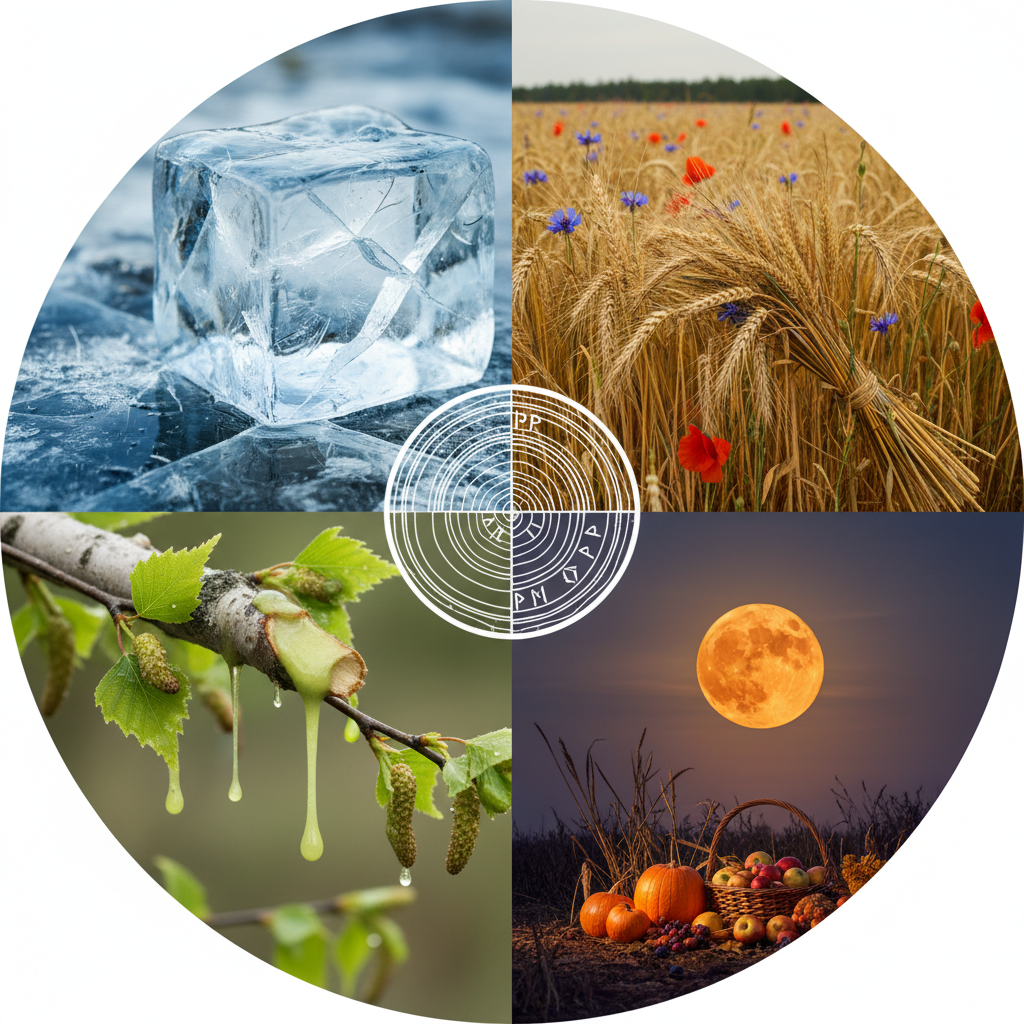
The Estonian folk calendar is closely tied to the rhythms of nature, agricultural cycles, and the ancestors' profound understanding of the natural world. The traditional month names carry deep significance rooted in the distant past, reflecting Estonians' intimate bond with nature and the seasons.
КультураThe Estonian folk calendar is a unique cultural heritage that reflects the rich understanding of nature and life rhythms of our ancestors. Unlike the modern calendar with its Latin-derived month names, the traditional Estonian month names were directly connected to what was happening in nature and agriculture.
Month names and their meanings
Each month name holds a story. For example, January's equivalent in the folk calendar refers to cold and darkness, while the names of spring months are associated with sowing and the awakening of nature. Summer months bore names pointing to haying and harvest seasons, while autumn months related to gathering the harvest and preparing for winter.
These names were not arbitrary — they were practical markers that helped farmers and shepherds understand when it was the right time to carry out certain tasks. The folk calendar thus served both as a timekeeping system and as an agricultural handbook.
Life cycles in nature
The worldview of Estonian ancestors was profoundly nature-centred. Through the month names, knowledge was preserved that humans are part of nature, not its masters. This philosophy is reflected in each traditional month name, linking human activity to the cycles of nature.
Today, these old month names have once again sparked interest — many Estonians wish to reconnect with their cultural heritage and understand how their ancestors perceived the world. Studying the folk calendar's month names is one way to keep this heritage alive and pass it on to future generations.
Открыть в приложении →