Estonia's most common 'weed' may be a powerful natural medicine
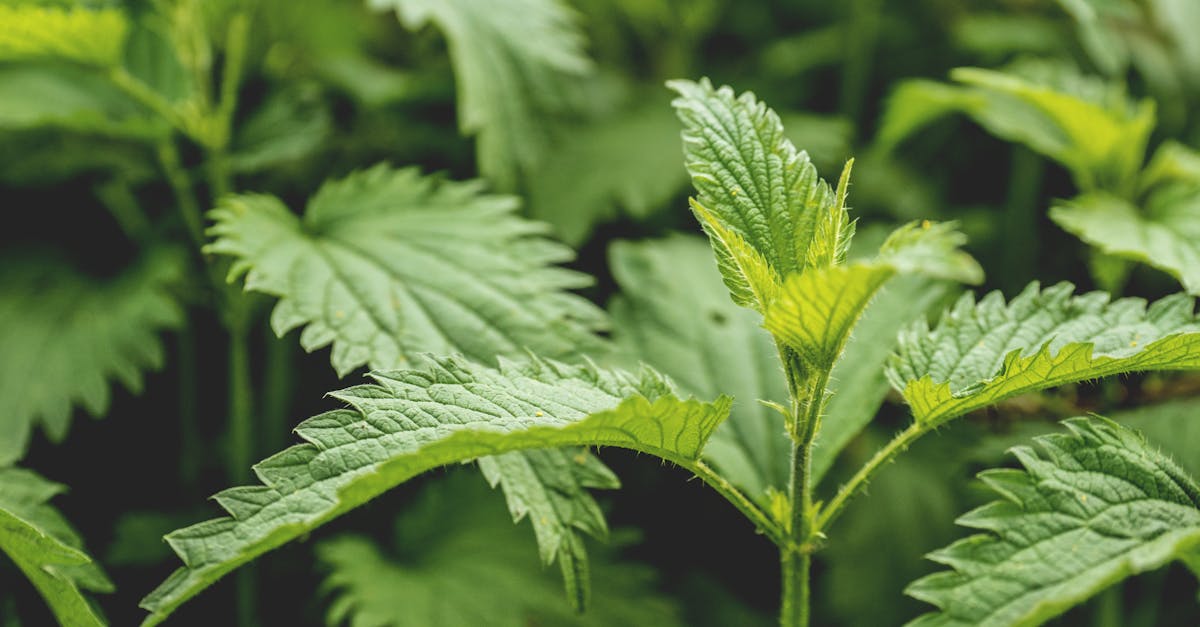
Stinging nettles, one of Estonia's most widespread wild plants, have been used in folk medicine for centuries and are backed by modern science. Researchers have identified numerous bioactive compounds in nettles with proven health benefits. Here are four key reasons to reconsider this humble plant.
KultuurStinging nettles (Urtica dioica) grow across Estonia in fields, roadsides, and garden edges — and most people's first instinct is to pull them out. But scientists and folk medicine practitioners have long known that the leaves and roots of this prickly plant contain a remarkable treasury of bioactive compounds with real, measurable effects on human health.
## A tradition backed by science
For centuries, herbalists across Northern and Eastern Europe have turned to nettles as a remedy for everything from joint pain to fatigue. Modern research has since confirmed what traditional healers observed: nettles are rich in vitamins A, C, and K, as well as iron, calcium, and a range of polyphenols that act as antioxidants in the body.
One of the most well-documented benefits is the plant's anti-inflammatory effect. Studies suggest that compounds found in nettle leaves can inhibit inflammatory pathways in the body, making them potentially useful for people suffering from conditions like arthritis or seasonal allergies. Some clinical trials have shown that nettle extracts can reduce symptoms of hay fever by blocking histamine receptors.
## From blood sugar to the urinary tract
Nettle root, in particular, has attracted scientific interest for its role in supporting urinary tract health and managing symptoms associated with enlarged prostate in men. Meanwhile, early research indicates that nettle may help regulate blood sugar levels — a promising lead for those managing or at risk of type 2 diabetes.
Finally, nettles are simply one of the most nutrient-dense wild foods available in Estonia's spring landscape. Harvested young and blanched to remove the sting, they can be eaten as a soup, tea, or spinach substitute — offering a seasonal nutritional boost at no cost. As pharmacies stock increasingly expensive supplements, Estonia's forests and meadows may already hold one of nature's best-kept secrets.
Открыть в приложении →