Giant limestone quarry planned next to Kohila municipality despite local opposition
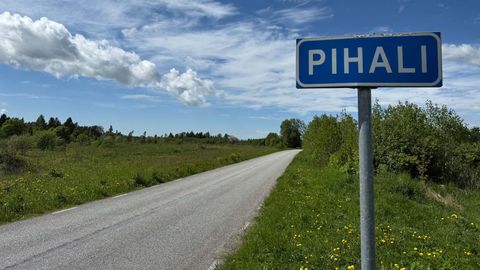
INF Maavarad OÜ seeks permission to establish a limestone quarry in Kohila municipality in Raplamaa covering up to 41.64 hectares, equivalent to approximately 58 football pitches. The project faces strong resistance from both local residents and the municipal government. The company has acknowledged that its long-term objective is to bring the entire Pihali limestone deposit into use.
ЭстонияA dispute is underway in Kohila municipality in Raplamaa that could fundamentally transform the region's landscape and living environment. INF Maavarad OÜ is seeking permission to establish a limestone quarry with a final area of 41.64 hectares — approximately the size of 58 football pitches. Local residents and the municipal government oppose the project, but the company has no intention of abandoning its plans.
What is planned?
The current application covers 17.01 hectares, but INF Maavarad OÜ has made clear this is only the first step. The company's long-term objective is to bring the entire Pihali limestone deposit into use, with an area exceeding 41 hectares. Establishing the quarry would involve extensive mining operations directly in Kohila municipality, located near Tallinn.
Local concerns and opposition
Local residents have expressed concerns about increased noise, dust and traffic. There are also worries about the impact on groundwater in the region and the natural environment. The municipal government also opposes the project, arguing that mining is incompatible with the municipality's development vision. However, company representatives have emphasised that limestone extraction is economically necessary and the project meets all requirements.
Comparison to a wind farm
According to assessments, the quarry's impact on the region could be even greater than that of a wind farm — encompassing noise, landscape changes and long-term environmental effects. The final decision will depend on the results of the environmental impact assessment and the licensing process with state authorities, which will become clear in the coming months.
Открыть в приложении →