Loksa management crisis 2003–2007 mirrors today's situation in Narva
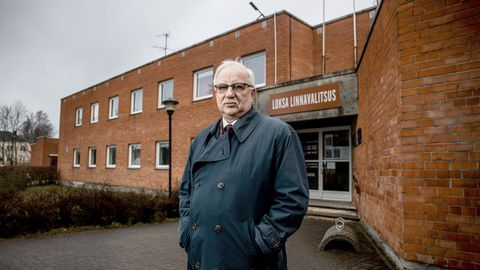
A management crisis in the city of Loksa that began in 2003 and lasted four years is in many respects similar to the situation currently prevailing in Narva. Prolonged local government crises are not an unprecedented phenomenon in Estonia. The Loksa experience may offer clues on how to emerge from Narva's current predicament.
Ида-ВирумааAlongside the ongoing management crisis in Narva, it is worth recalling that prolonged local government crises are nothing entirely new in Estonia. One of the clearest examples comes from the city of Loksa, where a management crisis broke out in 2003 and lasted a full four years.
The Loksa crisis up close
The administrative deadlock in Loksa city became one of the longest-running municipal crises in Estonia's recent history. The crisis involved disputes over power, resources and governance rights, which paralysed the city's day-to-day operations for years. Resolving the situation took considerable time and required both local and national efforts.
Parallels with Narva
Today's Narva recalls the Loksa of that era in several important respects. In both cases, fundamental disagreements within management structures prevent the city from operating normally. Narva is Estonia's largest Russian-speaking city, and its governance problems carry broader social and political significance.
The Loksa example offers hope that even prolonged local government crises eventually find resolution — although this may take a long time and require all parties to be willing to compromise.
Открыть в приложении →