OpenAI and White House Clash on AI Safety Rules
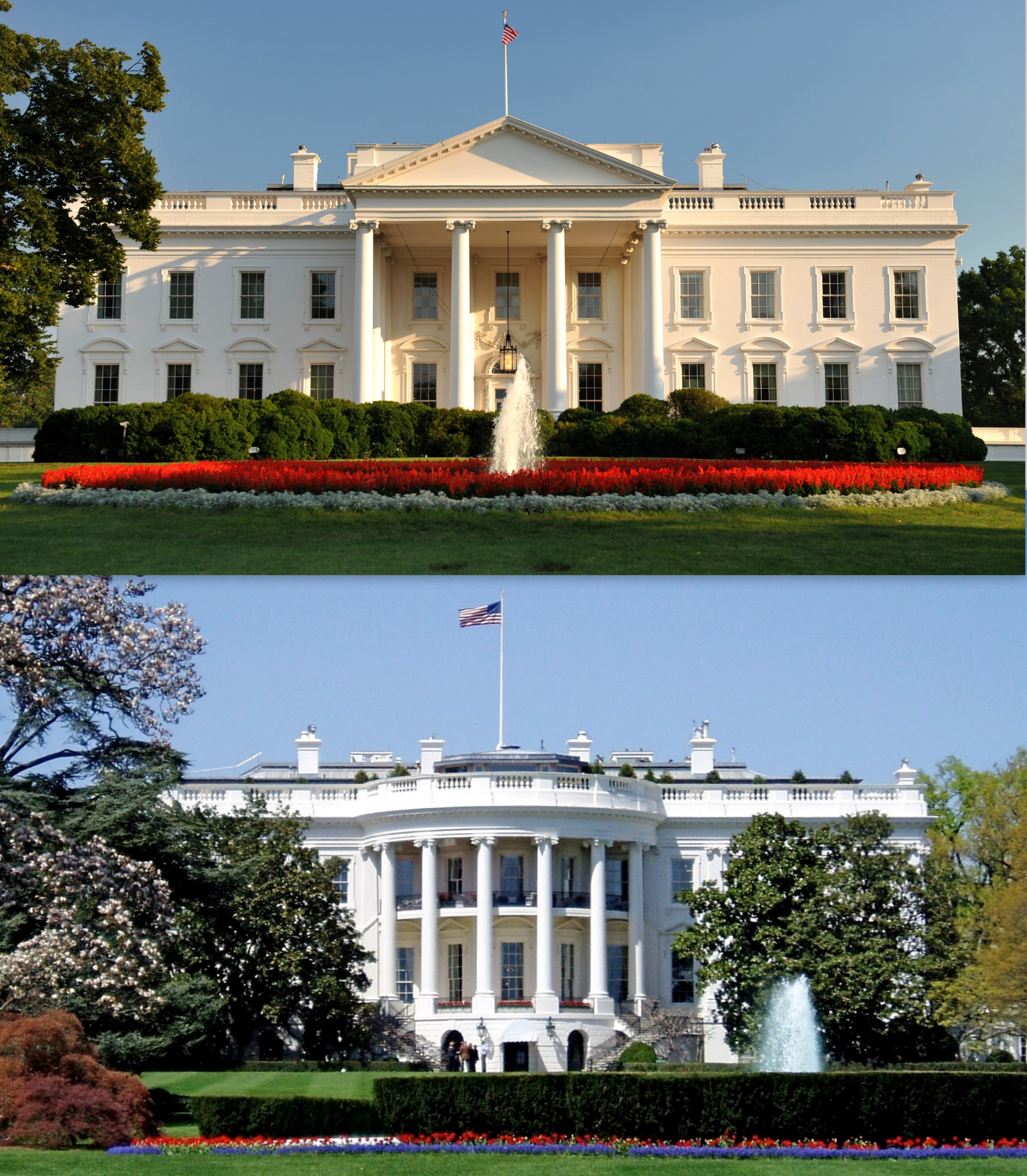
OpenAI has unveiled a regulatory framework for advanced artificial intelligence that significantly differs from the White House's recent proposals. Unlike the White House's suggestions for voluntary oversight and a greater role for intelligence agencies, OpenAI proposes an alternative approach. The disagreement between the two parties reflects a broader debate on AI regulation.
ТехнологииArtificial intelligence firm OpenAI has presented its regulatory framework for managing advanced AI systems, which differs markedly from recent White House proposals. The tensions between the two sides highlight fundamental disagreements over how the most powerful AI systems should be monitored and controlled.
The White House's plans call for a voluntary review process to assess high-level AI systems, and also seek to give intelligence agencies a stronger role in overseeing these systems. OpenAI's framework, however, is based on different principles, questioning both the effectiveness of the voluntary approach and the involvement of intelligence organisations.
The disagreement between OpenAI and the Washington administration reflects a broader discussion on AI regulation in the United States and internationally. The question centres on whether AI safety should be ensured through industry self-regulation, government oversight, or a combination of both. The European Union, for its part, has already adopted mandatory regulation through its AI Act, creating a stark contrast with the US voluntary model.
Rapid advances in artificial intelligence have compelled governments and companies worldwide to grapple with how to ensure these systems are safe without stifling innovation. The disagreement between OpenAI and the White House suggests that reaching consensus on AI regulation remains a difficult task.
Открыть в приложении →