Opinion: Jürgen Ligi's knowledge may have grown, but his manners haven't
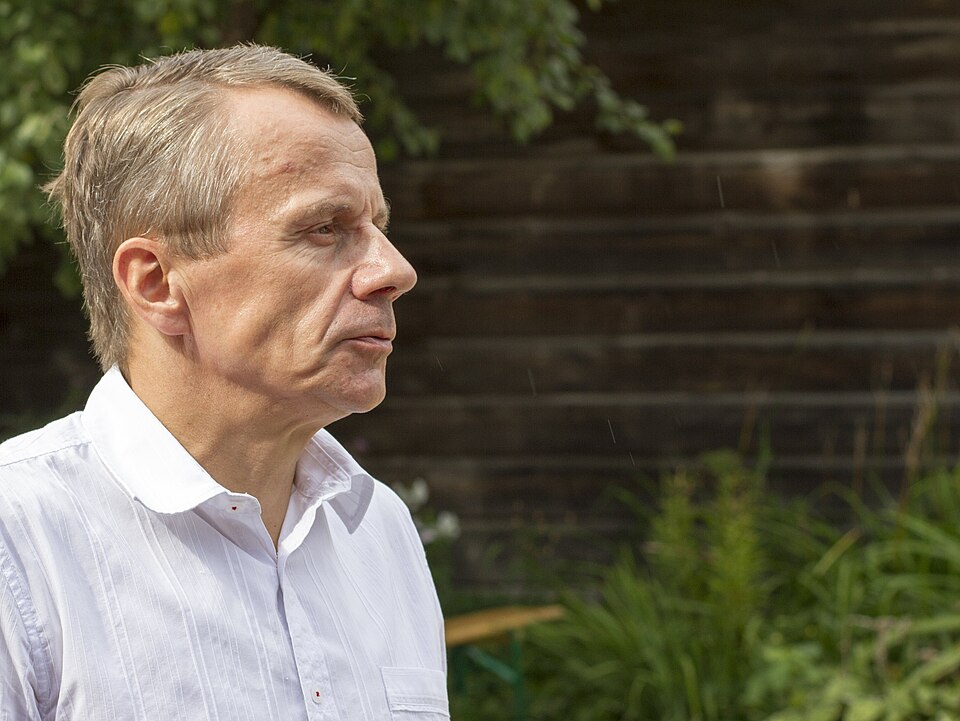
Columnist Mart Soidro offers a critical assessment of Estonian Finance Minister Jürgen Ligi, examining his educational background, early career, and political temperament. The piece paints a nuanced portrait of a well-educated but controversial figure in Estonian politics.
ПолитикаEstonian Finance Minister Jürgen Ligi cuts a complicated figure in Estonian public life — a man whose intellectual credentials are difficult to dispute, yet whose interpersonal style remains a persistent source of friction. Columnist Mart Soidro takes a closer look at the man behind the ministry, and his verdict is pointed: the knowledge may have matured with time, but the manners have not kept pace.
From Geography to Government
A surface reading of Ligi's biography might suggest an unusual path to power. The son of a beloved history professor, he completed degrees at the University of Tartu — first in geography in 1982, then in foreign economics in 1993. That academic breadth sets him apart from many of his younger Reform Party colleagues, marking him as a genuinely educated man rather than a political product of the post-independence era.
Yet Ligi was not among those who marched at the front of Estonia's Singing Revolution. While others were building civic momentum, he was working as an economist at the State Planning Committee and later as a senior specialist at Saaremaa ATK — positions that kept him at a careful distance from the political vanguard of his generation.
A Career Built on Expertise
Soidro's critique is not aimed at Ligi's competence, which few seriously question. His long tenure in Estonian fiscal policy has given him a command of budgetary matters that is arguably unmatched in the current government. The concern, rather, is with how that expertise gets delivered — often with an edge that alienates colleagues and observers alike.
The portrait that emerges is of a politician whose value to Estonia's public finances is real, but whose sharp tongue and combative style continue to overshadow his contributions. In Estonian political culture, where coalition-building and consensus matter enormously, that tension is more than a personality quirk — it is a recurring political liability.
Открыть в приложении →