Scientists discover microbes living for over 5,000 years on ice mummy Ötzi
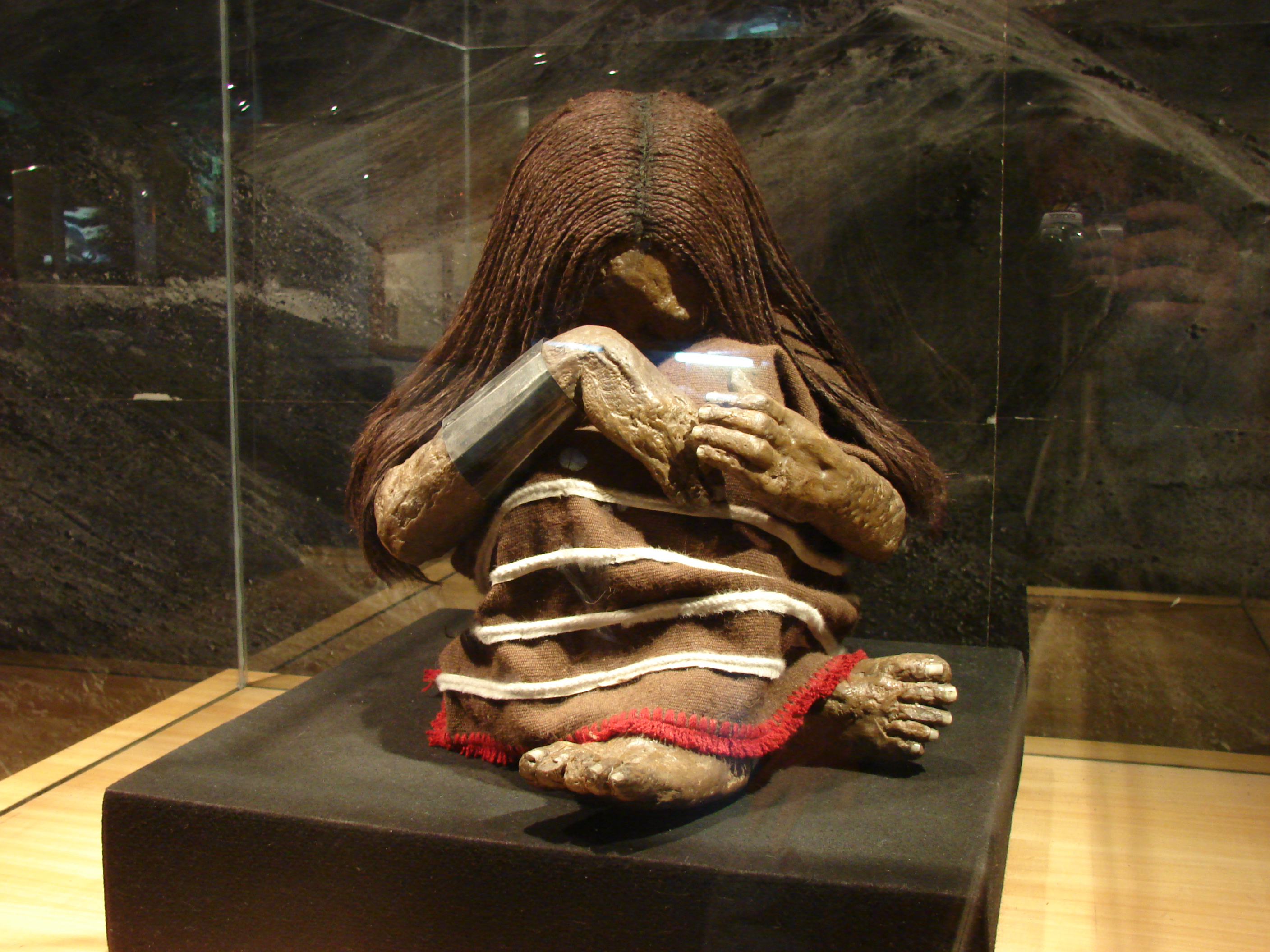
A new study has revealed that microorganisms associated with ice mummy Ötzi may have remained viable for over 5,000 years. According to scientists, the mummy is not merely a well-preserved ancient remnant, but a kind of living ecosystem. The discovery is considered an extraordinary scientific breakthrough.
ТехнологииA new scientific study has brought to light a surprising discovery: microorganisms associated with ice mummy Ötzi may have remained viable for more than 5,000 years. This finding fundamentally changes our understanding of how ancient biological materials are preserved over time.
According to scientists, the famous mummy found in the Alps is not simply a well-preserved ancient remain, but rather a kind of living ecosystem. The microbial community associated with Ötzi contains both descendants of microorganisms thousands of years old and contemporary microbes that have been associated with the remains at later times.
The discovery raises intriguing questions about how microbes are able to survive in extreme conditions – such as a frozen environment – and continue their life processes. Scientists believe this finding could open new possibilities both in the study of ancient life and in understanding the biology of organisms living in extreme conditions.
Ötzi's mummy was discovered in 1991 in the Alps on the border between Italy and Austria, and remains to this day one of the world's best-studied ancient human remains. The new results now suggest that scientific mysteries associated with him are far from being completely solved.
Открыть в приложении →