Swiss scientists: climate change reduces lakes' ability to remove excess nitrogen
A study by Swiss scientists shows that climate change is impairing the purification processes of lake ecosystems. Freshwater bodies are increasingly losing their capacity to remove excess nitrogen from water. This could damage water quality globally in the long term.
ЭстонияA recent study by Swiss scientists highlights a worrying trend: due to climate change, the natural purification capacity of lakes is declining. Freshwater ecosystems, which have so far functioned as effective nitrogen filters, are gradually losing their ability to remove excess nitrogen from water.
Excess nitrogen in water is a well-known problem that leads to eutrophication of water bodies – a condition in which algae proliferate massively, oxygen content decreases, and aquatic organisms suffer. Until now, lakes have been able to neutralize some of this burden themselves, but climate warming is affecting these processes negatively.
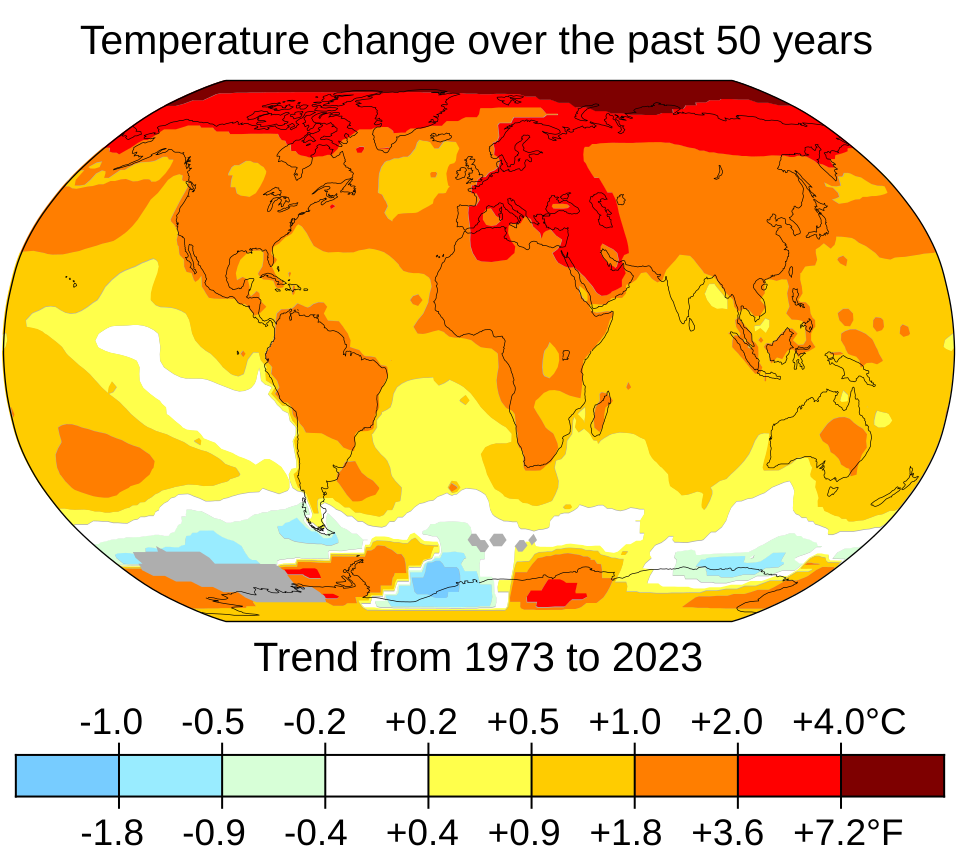
According to scientists, the rise in temperature alters water stratification and circulation in lakes, which in turn disrupts bacterial activity responsible for nitrogen processing. The warmer the water, the less efficiently this natural filtration mechanism works.
The study emphasizes the need to limit nitrogen loading to water bodies, particularly in the agricultural sector, where fertilizer use is one of the main sources of nitrogen. According to scientists, the combination of climate change and nitrogen pollution is particularly dangerous and requires a comprehensive approach to environmental protection.
Открыть в приложении →