Tartu University Neuroscientist Madis Vasser: How to Find Certainty in Chaos?
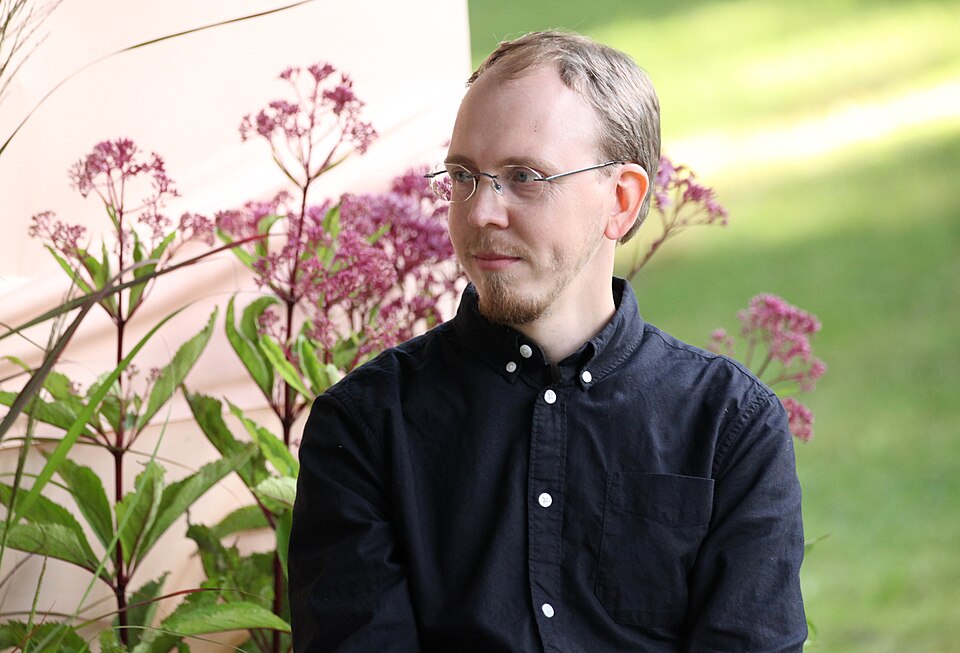
Madis Vasser, a researcher at the University of Tartu's Institute of Computer Science, discusses how to maintain mental clarity when the world seems unpredictable. In the interview, he addresses generational hesitations about having children and the role of technology in everyday life.
МнениеMadis Vasser, a researcher and neuroscientist at the University of Tartu's Institute of Computer Science, is convinced that many people have not yet truly understood how profoundly the world has changed. Vasser calls this an "existential lag" — an awakening that arrives later than sooner.
But what exactly is changing? The question is not merely about wars or climate change, but about the fundamental transformation of life's organizational logic. People who have grown up in conditions of stability are unable to instinctively adapt to a world where crises follow one another continuously. Vasser notes that information noise is one of the greatest obstacles that drives away both clear thinking and actual action.
Having Children in Chaos
One of the most important topics becomes generational hesitation. More and more young people question whether it makes sense to have children in a world where the future seems so uncertain. Vasser believes this doubt is humanly understandable, but often there is a cognitive distortion behind it — we tend to overestimate crises and overlook future possibilities.
According to the scientist, an affirmative attitude toward life is critically important right now. Organized action toward a better future does not require optimism — it requires clarity about what one wishes to protect and what values one strives toward amid change. Focusing solely on negativity and fear blocks a person's ability to act effectively.
Reconsidering the Role of Technology
A central topic in the interview is also the meaning of technology in everyday life. Vasser emphasizes that artificial intelligence and digital tools present both risks and opportunities — depending on whether they are used consciously or not. Mental hygiene, including the ability to filter information flow, is according to the scientist as important as physical health. The question is not only what we read, but also how we make sense of what we read and how we respond to it.
Открыть в приложении →