Tatjana Gassova: Narva is a magnifying glass reflecting all of Estonia
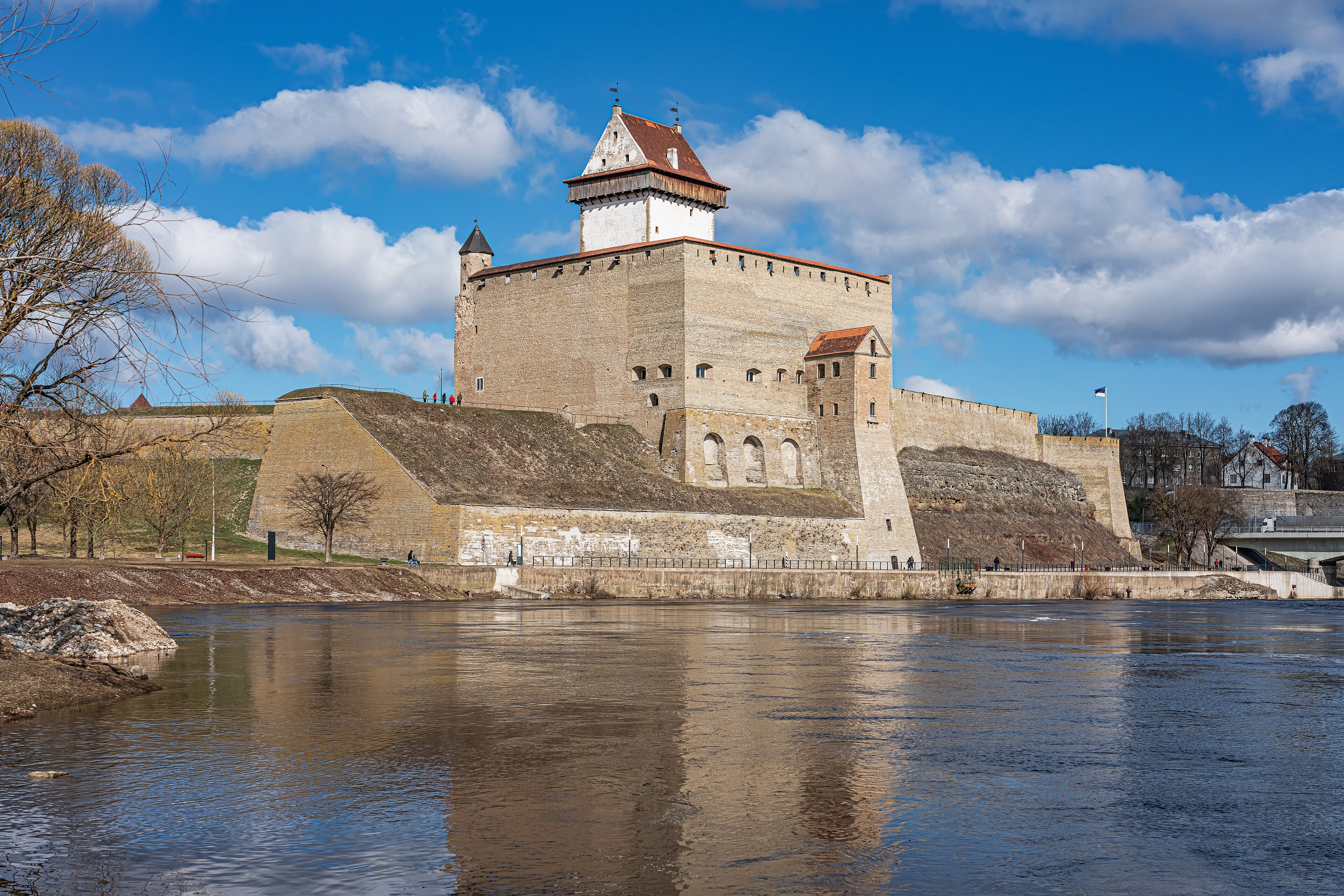
Columnist Tatjana Gassova argues that Narva is not an exceptional problem, but rather a reflection of the entire Estonian political system's failure to listen to people. In her view, politics has become self-absorbed — focused on ratings, grievances, and minor victories that do not improve ordinary citizens' lives.
МнениеColumnist Tatjana Gassova draws a sharp parallel in her opinion piece: Narva is not merely a political problem of the periphery, but rather functions as a kind of magnifying glass through which we can observe the inner contradictions of Estonian society and the political system as a whole.
According to Gassova, the Estonian political machine has long abandoned its original purpose — representing people and solving their concerns. Instead, the system has become self-directed: politicians occupy themselves with maintaining their ratings, insulting opponents, and achieving minor tactical victories that have no substantive impact on ordinary citizens' quality of life.
Narva is exceptional in this picture only in a geographical sense. In a city where the majority of residents are Russian-speaking and where identity and cultural questions are more pressing than elsewhere, the consequences of this systemic indifference are felt particularly painfully. What is invisible discontent elsewhere in Estonia is tangible and visible to all in Narva.
Gassova's message is unambiguous: if Estonian political culture cannot shift its focus from party structures to people's needs, the Narva question will never be solved — because the real problem lies elsewhere entirely.
Открыть в приложении →