Trump's AI executive order reshapes Washington playbook
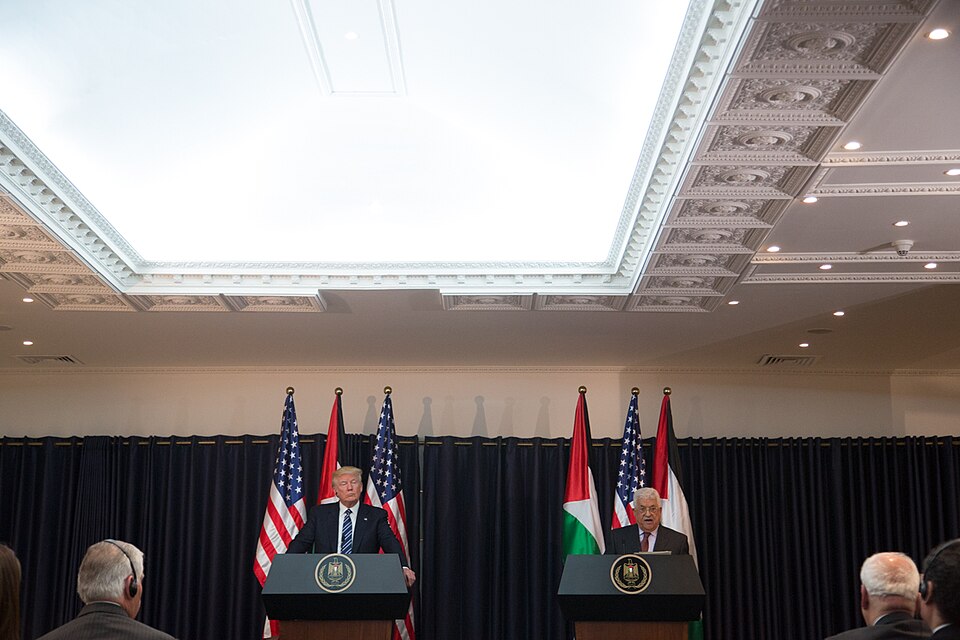
President Donald Trump signed an artificial intelligence executive order that stopped short of mandatory pre-clearance, yet regulatory advocates view it as a significant turning point. The previous laissez-faire approach is fading, and those favoring regulation believe momentum is now on their side.
ПолитикаThe landscape of AI policy in Washington is shifting. Donald Trump signed a new executive order addressing the development and deployment of artificial intelligence systems in the US. Though the White House ultimately abandoned mandatory pre-clearance requirements for AI systems, the move itself is considered symbolically significant.
Regulatory advocates celebrate
Those favoring regulation interpret the order as a victory. In their view, the mere fact that the issue has landed on the Trump administration's agenda signals that movement toward stricter rules has gained traction. The previous principle—that the AI market could regulate itself without government intervention—is, by their account, now clearly retreating.
Voluntary versus mandatory
The fiercest debate centered on mandatory pre-clearance. In the end, the position prevailed that AI developers need not submit their systems to government agencies for mandatory review before market launch. Still, this order marks a moment in US AI policy history when the laissez-faire approach began giving way to more structured government engagement.
In Europe, where AI legislation has already been adopted, developments in the US are being watched closely. The question of whether the world's largest economy is moving closer to Europe's regulatory model or maintaining its own distinct course is crucial for the future of the global AI market.
Открыть в приложении →