Volunteer Work in Estonia: A Sign of Strong Civil Society or a Mirror of Inequality?
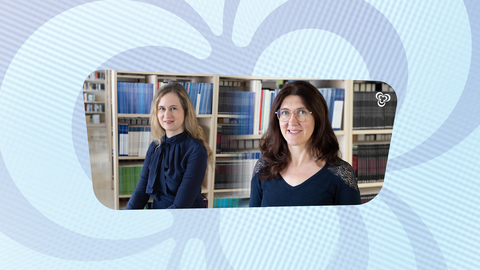
Tartu University sociologists Mai Beilmann and Kairi Kasearu raise the question of whether volunteer activity in Estonia reflects strong civil society or rather deepening social inequality. The opinion piece explores multiple dimensions of volunteerism in Estonian society.
МнениеVolunteer work has become an increasingly visible part of Estonian public life – thousands of people contribute their time and skills without financial compensation. But what does this really mean? Tartu University's Associate Professor of Empirical Sociology and President of the Estonian Young Scientists Academy Mai Beilmann and Professor Kairi Kasearu pose a provocative question: is volunteerism evidence of a mature and active civil society, or does it conceal something more concerning?
On one hand, the growth of volunteer activity could suggest that Estonian residents feel responsible for their communities and country. Active citizens who donate their time to charitable work, environmental initiatives, or community service are an indicator of a healthy democracy. This shows trust in institutions and a desire to contribute to society.
On the other hand, sociologists raise the question of whether volunteer work sometimes substitutes for the state's obligations. If volunteers fill gaps that should be covered by the public sector – whether social services, educational support, or healthcare assistance – this may suggest that the state is not fulfilling its core responsibilities. In such cases, volunteerism is not a sign of strength, but of weakness.
From the perspective of social inequality, it is also important to ask who actually contributes as volunteers. Research shows that people who engage in volunteer work are often more frequently those with higher education levels and better financial situations. If volunteerism is primarily a privilege of more advantaged segments of society, it may not reduce inequality – it could actually increase it.
Beilmann and Kasearu's analysis calls for looking beyond volunteer work and understanding its complex role in Estonian society. A truly healthy civil society requires both active volunteers and a strong state that ensures equal opportunities for all people – without anyone's well-being depending solely on the goodwill of others.
Открыть в приложении →